

Last month’s Wi-Co meeting in Washington, DC once again demonstrated why this event has become such a valuable fixture for professionals working across wireless, mobility, and enterprise networking. In an industry that moves quickly and often communicates through press releases, webinars, and marketing-driven conferences, Wi-Co continues to stand out as something different—and frankly, more valuable.
At its core, Wi-Co is about people and conversations. The Washington, DC meeting brought together a diverse cross-section of the wireless ecosystem: enterprise WLAN engineers, consultants, vendors, analysts, and operators, all in one room with a shared goal, having honest, technically grounded discussions about where wireless networking is today and where it is heading. That alone is increasingly rare.
One of the most compelling aspects of Wi-Co is the quality of engagement. Sessions are not passive listening exercises. They are interactive, discussion-driven, and informed by real-world experience. Topics ranged from current enterprise Wi-Fi challenges and emerging technologies to regulatory considerations and broader industry trends. What made these discussions particularly valuable was not just the content itself, but the depth of perspective in the room. Questions were informed, debate was thoughtful, and differing viewpoints were welcomed rather than avoided.
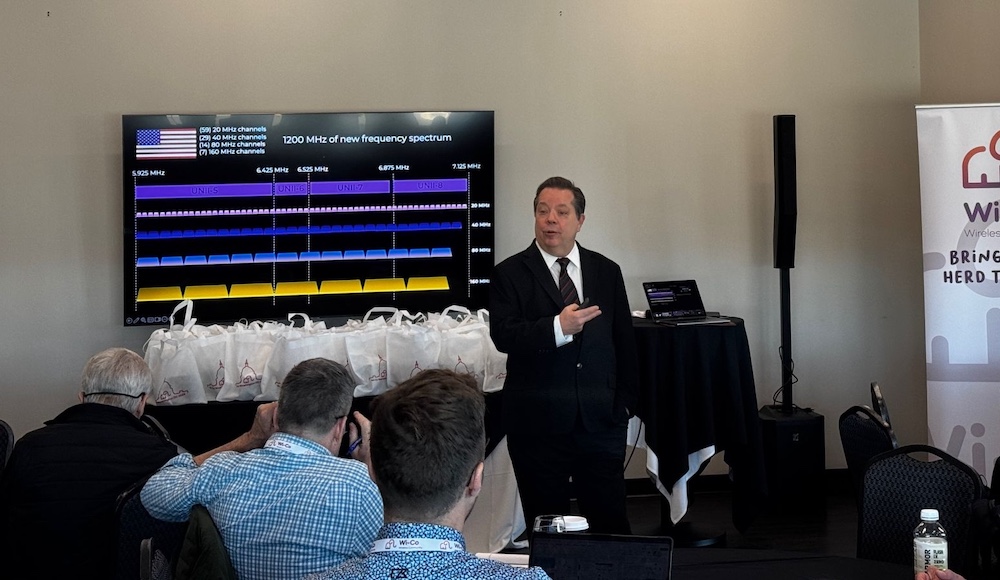
Equally important is the networking, real networking, not badge-scanning or rushed hallway conversations. Wi-Co creates space for meaningful dialogue. Whether during sessions, breaks, or evening conversations, the opportunity to speak directly with peers and industry leaders is significant. Many of the most valuable insights came not from slides, but from candid conversations about what is working (and what is not) in production networks today.
From a professional development standpoint, Wi-Co delivers clear value. Attendees leave better informed, more connected, and with a sharper understanding of both technical and strategic issues affecting wireless networking. For those responsible for designing, operating, or advising on WLANs, this kind of insight is difficult to obtain elsewhere. It helps inform better decisions, challenge assumptions, and ultimately improve outcomes for users and organizations alike.
Another strength of Wi-Co is its independence. The event is not dominated by a single vendor narrative. Instead, it provides a balanced environment where ideas can be evaluated on their technical merit. That neutrality fosters trust and encourages open discussion—an essential ingredient for meaningful professional growth.
If you are a wireless professional who values substance over spectacle, Wi-Co deserves a place on your calendar. The Washington, DC meeting reinforced that this is a community worth investing time in, one that prioritizes knowledge sharing, professional respect, and long-term industry health.
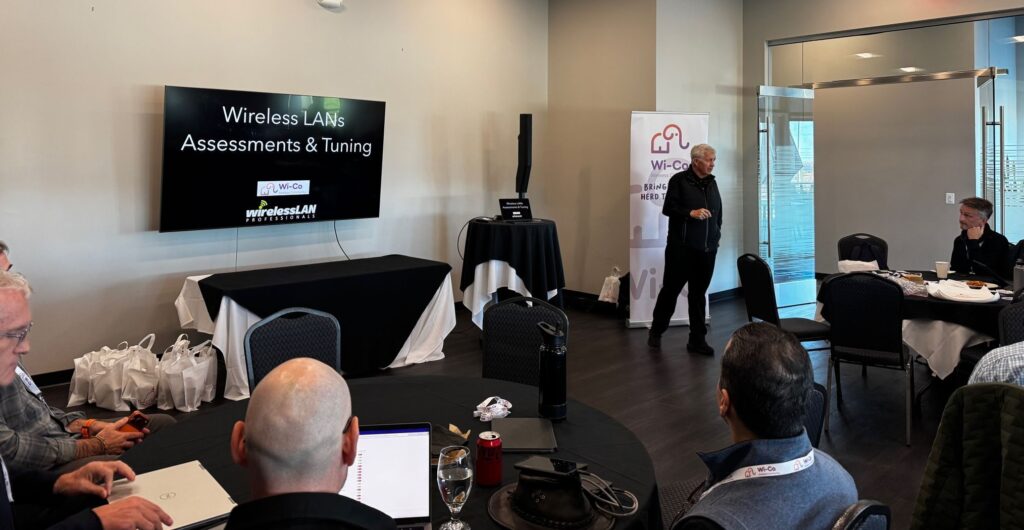
For those who have not yet attended, future Wi-Co events offer an opportunity to step out of day-to-day operational mode and engage with peers who care deeply about doing wireless networking well. In a field as dynamic and consequential as ours, that opportunity is not just beneficial, it is essential.